How We Work
A structured methodology for predictable project delivery and transparent client engagement.
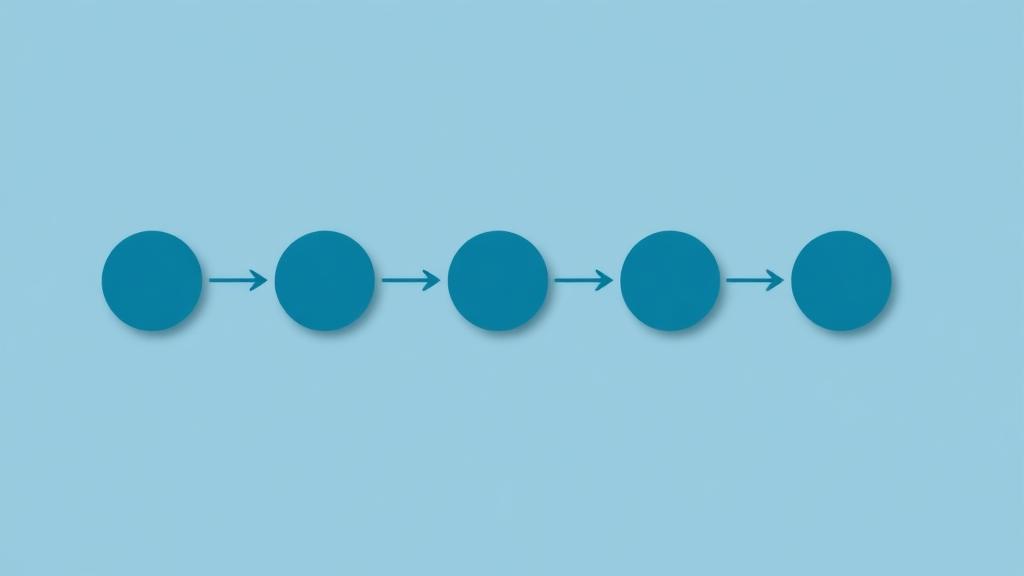
Engagement Stages
Every project follows a five-stage process. Each stage has defined inputs, activities, and outputs. Clients approve stage completion before we proceed.
Discovery
We assess your current state, define objectives, and identify constraints. This includes stakeholder interviews, document review, and site visits where applicable. Output: Scope document and preliminary risk register.
Planning
We develop a detailed project plan with work breakdown, resource allocation, timelines, and budget. Governance structures and reporting cadences are established. Output: Project charter and execution plan.
Execution
Our team manages day-to-day delivery—coordinating vendors, supervising work, and maintaining quality standards. Progress is tracked against milestones with regular status updates. Output: Deliverables per plan.
Reporting
Clients receive structured reports covering progress, budget status, risks, and decisions required. Reporting frequency is defined at project start—typically weekly or bi-weekly. Output: Status reports and dashboards.
Close-out
We conduct formal handover with documentation, training where needed, and lessons learned review. Final deliverables are verified against acceptance criteria. Output: Completion certificate and project archive.
Governance Approach
Clear governance prevents misalignment and delays. We establish structures at project start and maintain them throughout delivery.
Defined Roles
Every engagement has a named Project Lead accountable for delivery, a Client Sponsor for decisions, and clear escalation paths. Role assignments are documented in the project charter.
Communication Protocol
We establish communication channels, meeting schedules, and response expectations upfront. Clients know who to contact, how often they'll hear from us, and what format updates will take.
Documentation Standards
All project artifacts—plans, reports, decisions, changes—are documented and stored in a shared repository. Clients retain full access to project records during and after engagement.
Risk Management
We treat risk management as a continuous activity, not a one-time exercise. Risks are visible to clients and addressed proactively.
Identification
Risks are logged from project start and reviewed at each status meeting. We categorize by likelihood and impact, assigning owners responsible for monitoring.
Escalation
Risks exceeding defined thresholds are escalated immediately to the Client Sponsor with recommended actions. We don't wait for scheduled meetings to flag critical issues.
Mitigation
For each significant risk, we document mitigation strategies and contingency plans. These are tracked alongside project tasks and updated as conditions change.
Client Visibility
You should never have to ask where your project stands. We provide multiple channels for visibility into progress and decisions.
Status Reports
Weekly or bi-weekly written reports covering progress, upcoming activities, budget status, and open issues.
Review Meetings
Scheduled calls or in-person meetings to discuss status, review deliverables, and make decisions. Agenda and minutes documented.
Document Access
Shared folders containing all project documents—plans, reports, correspondence, and deliverables. Full transparency, no gatekeeping.
Decision Log
A running record of key decisions, who made them, and rationale. Ensures accountability and supports future reference.
Ready to Discuss Your Project?
We're happy to walk through our methodology in detail and discuss how it applies to your specific requirements.
Book a Consultation